
Orthodontic treatment takes time. For many people, braces or Invisalign treatment lasts anywhere from a year to several years. During that time, life can change. Families move, jobs relocate, students change schools, or schedules shift. When that happens, a common question comes up: Can you switch orthodontists if you already have braces?
The answer is yes. It is absolutely possible to switch orthodontists during treatment. Orthodontists regularly work with transfer patients and understand that circumstances can change during treatment.
If you move to a new city or need care closer to home, a new orthodontist can review your treatment progress and help you continue working toward your finished smile.
When you transfer orthodontic care, the new orthodontist will first need to evaluate your current treatment. This step helps them understand what progress has already been made and what adjustments may be needed moving forward.
During a transfer consultation, your orthodontist may:
In many situations, treatment can continue using the appliances you already have. In other cases, the orthodontist may recommend adjusting or replacing certain components so treatment can continue using their preferred system or technology.
This doesn’t mean anything was wrong with your previous treatment. Orthodontists may simply use different techniques, and updating appliances can sometimes make it easier to continue treatment efficiently.
Many people assume that changing orthodontists only happens when there is a problem, but in reality, most transfers happen because of everyday life changes.
Some of the most common reasons patients switch orthodontists include:
Relocation is one of the most common reasons people transfer orthodontic treatment.
A new schedule or commute may make it easier to visit a different orthodontic office.
Families sometimes move before treatment is finished.
In some cases, patients choose to continue with the new provider or transfer to another office.
Orthodontists are accustomed to coordinating care in these situations, and most offices collaborate to help patients continue treatment smoothly.
If you need to switch orthodontists while wearing braces or using Invisalign, the process is usually straightforward. A few simple steps can help make the transition easier.
Start by researching orthodontists in your new area. Online reviews, recommendations from friends or family, and referrals from your dentist can all help you narrow down your options.
Your current orthodontist can provide records that help the new office understand your treatment progress. These records may include X-rays, scans, treatment notes, and information about the appliances you are currently using.
Having these records ready can help your new orthodontist evaluate your case more quickly.
In some situations, orthodontic offices may use a transfer form from the American Association of Orthodontists (AAO) to help organize information when a patient changes providers during treatment.
An orthodontic transfer form can document important details about your care, including:
Not every orthodontic transfer requires this form, but it can sometimes make communication between offices easier and help ensure your new orthodontist has a clear understanding of your treatment.
If a transfer form is needed, your orthodontic team can help guide you through the process.
Once you have chosen an orthodontist, schedule a consultation so they can evaluate your treatment and discuss the next steps. Let the office know you are transferring orthodontic care so they can prepare in advance.
After reviewing your records and examining your teeth, your new orthodontist will create a plan to continue treatment and maintain your progress.
One of the biggest concerns patients have when transferring orthodontic care is whether they will have to start treatment from the beginning.
In most cases, the answer is no. Your new orthodontist will evaluate the progress made so far and determine the best way to continue treatment.
Sometimes small adjustments are needed, but the goal is always to build on the progress you’ve already achieved rather than starting over.
Every orthodontic case is different, so your orthodontist will explain what to expect based on your specific situation.
Finances are often a common question when transferring orthodontic treatment. Because every orthodontic office has its own policies and treatment agreements, the financial details of a transfer can vary from case to case.
If you are considering switching orthodontists during treatment, it is important to review your current treatment agreement and speak directly with your current orthodontic office about how your account may be handled. In some situations, patients may have paid in full at the beginning of treatment, while others may be on a monthly payment plan. Each practice may handle these situations differently depending on the stage of treatment and the terms of the original agreement.
When transferring care, your new orthodontist will also review your treatment and discuss any financial arrangements related to continuing treatment at their office. Insurance benefits, if used, may also vary depending on how they were applied during the earlier portion of treatment.
Because policies, insurance coverage, and treatment progress can all differ, the best approach is to speak with both orthodontic offices so you clearly understand the details of your specific situation before continuing treatment.
Most orthodontic teams are happy to answer questions and help guide patients through the process.

How do I transfer my orthodontic records to a new office?
If you decide to change orthodontists during treatment, your new orthodontic office will usually ask for records from your previous provider. These may include X-rays, scans, photos, and notes about your treatment plan. In many cases, the new office can help coordinate this process so your records are sent directly between offices.
Will switching orthodontists delay my treatment?
A transfer does not always delay orthodontic treatment, but there may be a short transition period while records are reviewed and a new treatment plan is evaluated. Your new orthodontist will review your progress and determine the best way to continue treatment.
Can a general dentist adjust braces if I move?
General dentists typically do not manage orthodontic treatment such as braces or Invisalign adjustments. If you move while wearing braces or aligners, it is usually best to find another orthodontist who can continue guiding your treatment.
What should I look for when choosing a new orthodontist?
If you are transferring orthodontic treatment, it can be helpful to choose an orthodontist with experience treating transfer patients. You may also want to consider factors such as location, office hours, treatment options, and patient reviews when selecting a new provider.
Is it harder to switch orthodontists toward the end of treatment?
Transferring care can happen at any stage of treatment, including near the end. Your new orthodontist will evaluate your progress and determine the steps needed to complete treatment safely and effectively.
Should I wait until my braces come off before switching orthodontists?
If you are moving or need to change providers, it is usually best to continue treatment with an orthodontist rather than waiting until the end of treatment. Regular adjustments and monitoring help ensure your teeth continue moving as planned.
Can my new orthodontist see my original treatment plan?
Yes. Orthodontic records and treatment notes can help your new orthodontist understand the original goals of your treatment. They will review this information along with your current progress before recommending how to move forward.
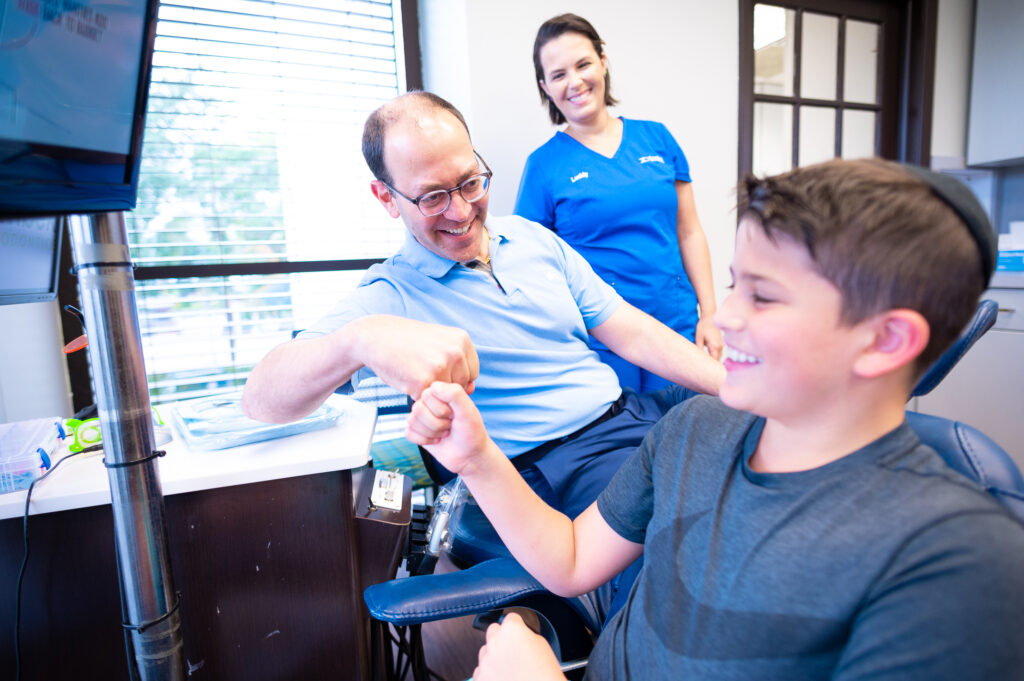
If you are moving to South Florida and need to continue orthodontic treatment, Zombek Orthodontics welcomes transfer patients.
Our team frequently works with patients who already have braces or Invisalign and need to continue treatment after relocating. We review your orthodontic records, evaluate your progress, and determine the best way to keep your treatment moving forward.
The goal is always the same: help you continue working toward a healthy, confident smile without unnecessary delays.

 This site’s strategy, design, photo & video were created by the marginally-above-average folks @ Clear Partnering Group.